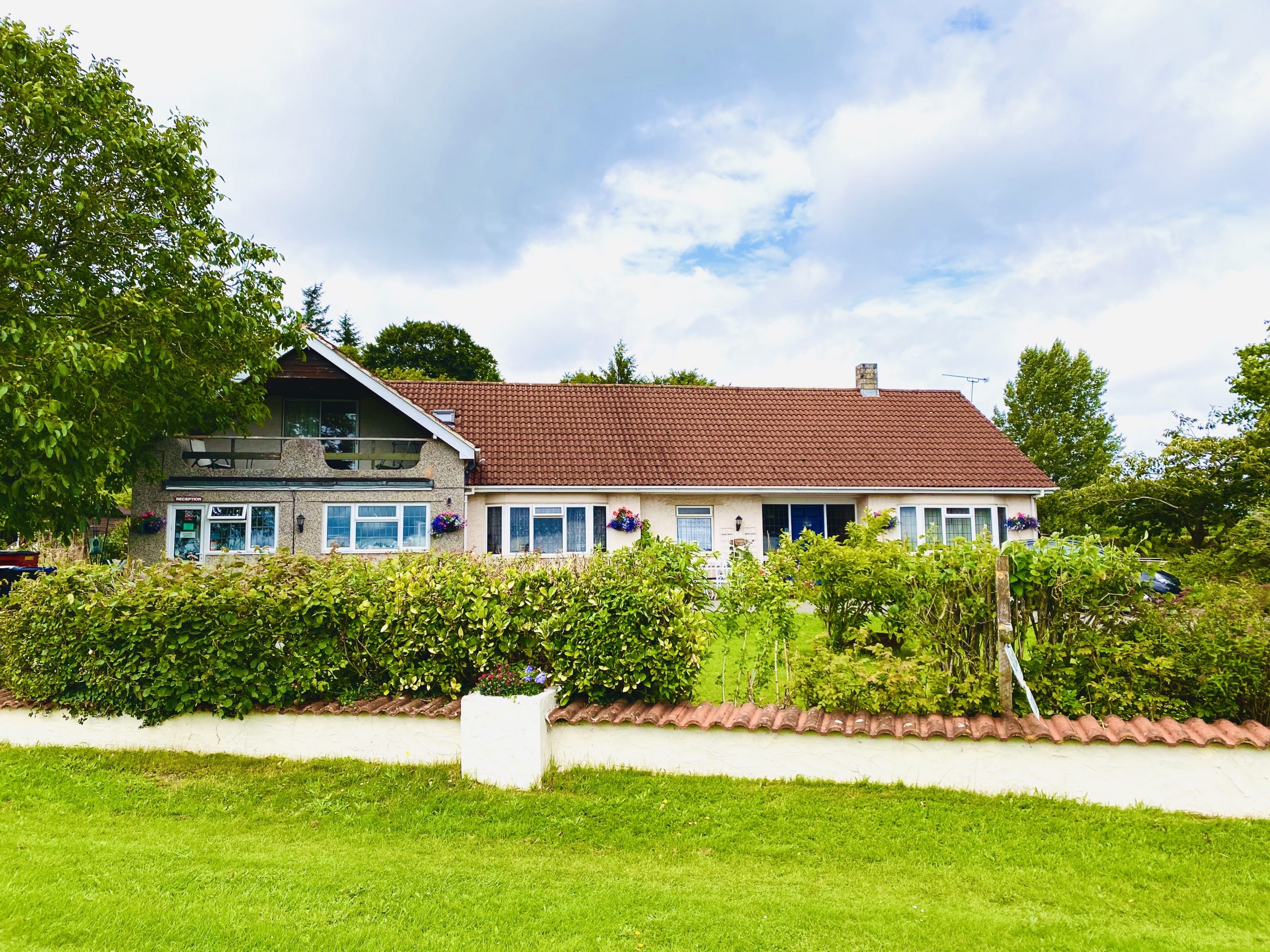
hotel guesthouse chippenham

hotel guesthouse chippenham
Wayside
hotel guesthouse chippenham


hotel guesthouse chippenham, holiday accommodation wiltshire, bed breakfast, self catering uk, hotel guesthouse chippenham, guest house, hotel guesthouse chippenham, holiday accommodation wiltshire

You may find this information helpful when researching the area prior to your visit

Stonehenge was built in three phases. The first stage was a circle of timbers surrounded by a ditch and bank. The ditch would have been dug by hand using animal bones, deer antlers which were used as pick-axes to loosen the underlying chalk and then the shoulder blades of oxen or cattle were used as shovels to clear away the stones.

Excavations of the ditch have recovered antlers that were left behind deliberately and it was by testing their age through radio carbon dating we now know that the first henge was built over 50 centuries ago, that is about 3,100 BC. That's where the mystery begins. We haven't just found old bones, around the edge of the bank we also found 56 holes now known as Aubrey Holes, named after the 17th century antiquarian, John Aubrey, who found them in about 1666. We know that these holes were dug to hold wooden posts, just as holes were dug later to hold the stone pillars that you see today. So this was the first stage built about 5,050 years ago, wooden post circle surrounded by a deep ditch and bank.

Then about 4,000 years ago around 2,100 BC and about 2,000 years before the Romans set foot in Britain, it was rebuilt. This time in stone, bluestones were used which are the smaller stones that you can see in the pictures. These came from the Prescelli Mountains in Pembroke, South Wales 245 miles (380kms), dragged down to the sea, floated on huge rafts, brought up the River Avon, finally overland to where they are today. It was an amazing feat when you consider that each stone weighs about five tons. It required unbelievable dedication from ancient man to bring these stones all the way from South Wales.

Before the second phase of Stonehenge was complete work stopped and there was a period of abandonment. Then began a new bigger, even better Stonehenge, the one that we know today. Just under 4,000 years ago, about 2,000 BC, the third and final stage of what we see today. So over 5,000 years ago, the first henge was built, 4,000 years ago the bluestones were erected and about 3,800 years ago building started all over again. The bluestones were dug up and rearranged and this time even bigger stones were brought in from the Marlborough Downs, 20 miles (32 kms). These giant sandstones or Sarsen stones, as they are now called were hammered to size using balls of stone known as mauls'.

How did they get these stones to stand upright? The truth is nobody really knows. It required sheer muscle power and hundreds of men to move one of these megaliths, the heaviest of them weighing probably about 45 tons.

There are some wonderful myths and legends and you can hear them on the audio tour at Stonehenge in nine different languages, English, French, German, Dutch, Spanish, Italian, Swedish, Russian and Japanese. Stonehenge was fomerly owned by a local man, Sir Cecil Chubb, and he gave it to the nation in 1918 and it is now managed by English Heritage on behalf of the Government. In 1986, it was inscribed as a World Heritage Site. It is without doubt one of the finest prehistoric monuments in existence .